Hi Readers.
You may have wondered why my blog, my radio show, my pet adoption videos, etc., have been a little scarce. Well, to get right to the point, I am battling leukemia, and though I totally expect to kick cancer's butt, I've not spent as much time as I should answering your letters and keeping up with animal issues. However, I do plan to get back into the swing of things, so please feel free to post some questions and visit us on Facebook too, leaving info about adoptable pets, or telling great success stories about adopted animals, or asking questions about pet care and wildlife. Visit us at https://www.facebook.com/PetPlaceRadio/
In the meantime, be well, and I'll be writing more soon.
Best,
Dr. Marie Hulett
Friday, September 28, 2018


Friday, June 30, 2017
RIP - Momo - Best Cat Ever

Monday, June 6, 2016
Help! Adopted dog won't stop marking the house!

Hi,
I saw your response to a person who wrote in about their dog that continues to mark. I'm hoping you can help.
We adopted a 6 year old silky terrier about 9 months ago. He had spent his entire life before us outside chained to a dog house. He was malnourished and had flea dermatitis. He was also heart worm positive so we had to wait to have him neutered.
He was neutered 3 1/2 months ago. He has marked in our house when given the opportunity since the day we got him 9 months ago. The only time he doesn't mark is in his kennel and when he's tethered on a 5 foot lead to our table or in our living room.
We've had a trainer come to the house and her suggestion was that we have to catch him in the act to deter him from marking. She really didn't have much success with him at all the day she came to our house. She couldn't get him to sit or do any other more basic command. We spent a lot if time with the come command which she felt he wasn't responding to like he should have. It was a disappointing experience.
The dog is nearly impossible to catch marking. I've followed him around the house for hours. He won't mark. The minute he can get out of sight he marks. As a result he spends his entire time out of his kennel tethered. I'm sad he has to exist this way but we've tried increasing the length of the lead and as soon as he can get out of sight and mark, he will.
We have 4 children so having our eyes and attention on the dog all the time is unrealistic. Quite frankly this dog is requiring more attention and mind share than the kids. We do have 2 other dogs and it's not clear who is dominant, but it's likely the silky.
I'm looking for suggestions and ideas. I'm also wondering if there are dogs out there that spend their life tethered in a home. He's always in the room with us. He gets lots of attention from the kids, dogs, and us. We walk him 30 min a day. He's well fed and loved. He just spends his time tethered since that's the only time he won't mark. He does wear a belly band but that's not fool proof and feeling wet seems to not phase him at all.
I know it's a lot to try and change 6 years of learned bad behaviors. I'm just frustrated because we've been hard core with the house breaking since he was neutered and we've seen minimal improvement. We tried the house breaking before that too but he was crated a lot due to heartworm treatment and we had hoped the neutering would help so we weren't as vigilant as we've been the last 3 1/2 months.
How long do we try to break him if this habit? Is this a process that will take years? At what point do we throw in the towel? We love him dearly and don't plan to give him up. We've committed to him. I just hate to think we've committed to having him tethered to our table the rest of his life.
Your suggestions are appreciated.
Best,
Meghan
Meghan
Hi there.
Thanks for adopting this little hard-case and thank you for not giving up on him. You do not need to throw in the towel. We can fix this.
First - is there any possibility that this is a medical issue? I.E., could he possible have a chronic bladder infection, or stones? These types of conditions will make him feel as though he needs to urinate all the time. If you haven't ruled out a veterinary problem - it might be worth looking into.
I assume you don't punish him for urinating in the house...right? That never works.
Use a strong enzymatic cleaner on all areas where he has urinated. Even if it smells clean to you, he may still detect that that was an area where he has peed before and he will want to "recharge" the spot. Most pet supply stores and some veterinary clinics have excellent enzymatic urine eliminating products. Ask the store manager or your veterinarian for their recommendations on the best product.
Also, if your pet sleeps in your bed with you, this will need to stop right away. He'll need to sleep in a crate with a comfy bed at the foot of your bed. The reason for this is he needs to know that you (and everyone else in your family) are the pack leaders. A dog that understands he is not the alpha will not feel the need to mark.
BUT - while you are teaching him this lesson, I urge you to try this:
One of the absolute BEST products to use for dogs that mark are Belly Bands. You can either purchase disposable or washable varieties and they come in all sizes. They are like diapers and they wrap around your dog's abdomen, covering up his little fire hose! Dogs HATE to feel wet, so if he urinates, it will go into the material of the belly band and not your furniture or flooring.
You simply throw away the soiled belly bands, or wash them. They come in many colors and are very comfortable for dogs to wear. Your dog will learn very quickly that when he "marks," he is only getting himself wet and nothing else. It won't take long before he stops marking completely. You can experiment a little after three or four weeks of using the product by letting him go without for a while. Gradually increase the time he goes without and give him lots of toys and praise for behaving well. Also, be sure to let him be "naked" when he's on walks or in the yard. But in the house, put them right back on until you feel confident that the habit has been broken.
Good luck and let me know how it works out!
I am going to feature this on my radioshow at www.blogtalkradio.com/petplace
Thanks for writing in.
All the best,
Marie
Wednesday, June 1, 2016
Flea "Season"

Fleas. Dogs and cats are really struggling with these nasty blood-suckers, and based on what I’ve been hearing from pet parents everywhere, it’s been a bad “season.”
I use the word “season” loosely because we didn’t really get our normal winter break from these pests. Temperatures in our area never dropped low enough to put a damper on flea activity for any impactful period of time. Consequently, these pests kept right on reproducing and causing our four-legged family members a whole lot of grief. What’s worse is that because there was never a break in the flea reproduction cycle, there are more fleas than ever and THEY are all reproducing. Sadly, we still have several more months of warm weather here in lovely Southern California, so things are only going to get worse before they get better.
If you have been using monthly, topical flea treatments, you have probably been noticing that they do not seem to be as effective as they used to be. Fleas appear to have become somewhat resistant to these miracle products of the past decade and a half. There are some new oral flea medications, but several of the side effects associated with this treatment (vomiting, diarrhea, lethargy, loss of appetite, etc.) make a lot of folks a little nervous about using these prescription-only products. Additionally, some pet parents are reporting that the effectiveness of these drugs has already decreased since they were first introduced a couple years ago.
Does that mean we all just have to wait until Old Man Winter comes to work his magic on the fleas? No!
There are a number of things you can do that will help reduce fleas in your environment. First, vacuum daily! By giving your house a quick once over each day, you’ll eliminate fleas and their eggs that are in carpet, furniture, cracks between tiles, etc. My little Pomeranian loves being vacuumed (with the brush hand tool attached), so he gets that “once over” also! Not all animals enjoy, or even tolerate vacuums, so don’t put your pet through any trauma, and skip the body vacuum if it’s not appropriate in your case. Empty and clean your vacuum’s waste receptacle after every use. (Or if you use bags, replace the bags.)
Next, wash your pets’ bedding weekly. If they are not washable, vacuum pet beds to the best of your ability. Follow this up by bathing your companion animals with a species appropriate, gentle shampoo at least once a month during periods of warm weather. The shampoo does not need to be pesticidal. I would recommend a shampoo that is designed to soothe skin. Lathering up and rinsing is enough to eliminate most fleas. Use a flea comb after the bath to snag any straggler fleas that did not rinse away.
Sprinkle human-grade Diatomaceous earth all over your carpet, flooring, pet beds, or anywhere else that fleas seem to be hiding. You can also sprinkle a little on your pets’ fur and brush it in. Diatomaceous earth desiccates fleas but is harmless to pets and people. However, it is important not to breathe in the dust as it could cause some respiratory irritation. In other words, don’t apply it if you have fans that are operating, or there is a lot of wind coming in from the windows. I would even recommend wearing a mask as you shake it around your house just to be extra careful. Many pet parents have also reported good results by giving the perimeter of their yards a dose of diatomaceous earth.
Do not leave your pets outside because they have fleas. Their situation will only worsen and they will suffer enormously. The more time they spend indoors—where you can control fleas more effectively—the less of a problem they will have with fleas. This is especially true for cats, all of whom should be indoors-only anyway!
A word of warning, you may find online recipes for flea-control that call for garlic. Though it is true that garlic and fleas don’t mix, it is also true that garlic and pets don’t mix. In fact, garlic is potentially very dangerous to cats and dogs so please do not use it. In addition to garlic, steer clear of essential oils that are touted to be safe and natural. If consumed or absorbed, many can cause problems.
Finally, if your pet develops more concerning problems due to fleas, such as skin irritation, inflammation, oozing hot spots, anemia, intestinal worms, etc., please visit your veterinarian immediately. Fleas can be far more than just a nuisance and may pose serious health risks to our furry family members.
Hopefully, we will have a nice cool winter this year, but in the meantime, be diligent to keep fleas under control and your pets comfortable.
Friday, March 25, 2016
Puppy and Poison

Dear Marie:
My puppy is turning me into a nervous wreck!! He is constantly getting into things that are potentially dangerous and eating them. I keep thinking I’ve puppy proofed enough; but almost as soon as I start feeling comfortable about it, I find him into something else. So far, we've been lucky and he hasn’t eaten anything toxic. But what should we do if he does? He is incredibly sneaky about getting things that I thought were out of his reach. I can’t be with him every waking moment and I’m afraid that his behavior is a disaster waiting to happen. I really need help here!
Patty
Dear Patty:
I think you should immediately invest in a dog crate for the times when you can’t be with your dog. If you are absolutely sure you’ve locked up cleansers and other dangerous chemicals (i.e. with baby proof cabinet locks, baby gates, etc.) and he is still, somehow getting to them, you really don’t have many other alternatives. Besides, as I have mentioned in previous posts, dogs rather like crates because they give them the feeling of being in a den. It’s a comfortable, safe feeling for them.
Even after taking these extra steps, your pet may still ingest poison when you least expect it. Consequently, you should always be prepared for this possibility.
Ask your veterinarian about his procedures for handling emergency situations, especially those that occur after normal business hours. You may find that you will need to take your pet to a special emergency veterinary hospital. If this is the case, keep the telephone numbers for your veterinarian as well as the emergency veterinary service in an obvious location. (I keep mine posted on the refrigerator with magnets.) Check out the ASPCA webpage on poison control and emergencies:
If your pet has been exposed to a toxic chemical, stay calm. Though you will need to get immediate veterinary care, panicking will prohibit you from taking the right steps to save your pet’s life.
Take a minute to collect the poison (and the container, if there is one) that your pet has ingested. Your veterinarian will need to know exactly what toxins are involved. You should also collect and bring in a zip-lock plastic bag any material your pet may have vomited or chewed.
If your animal is seizuring, losing consciousness, unconscious or having difficulty breathing, call your veterinarian and be prepared to transport your pet immediately.
Remember, toxins are not just found in cleansers and insecticides. Most antifreeze products, unless labeled otherwise, are extremely dangerous. Furthermore, this fluid actually tastes good to animals. Frequently, unthinking individuals will drain their radiators out into the street gutters (which you're not supposed to do), and your pet may try and take a drink from these puddles while you are out walking together. Keep on your guard for this potential hazard. Also, many houseplants are extremely toxic if they are ingested. Dogs will mouth just about anything, especially young dogs, because that is how they explore and experience their world. For a great list of poisonous houseplants, click on this link provided by the Humane Society of the United States:
Thursday, March 24, 2016
Update Your Pets' Michrchips!!!

Not too long ago, a big, handsome, “senior”
Labrador Retriever was found roaming the streets of Orange County. A Good Samaritan rescued the dog from the
dangerous situation, and temporarily brought him to his house. During this time, he noticed that the Lab
barked in what he considered an aggressive manner when other dogs were near, so
when he took the dog to the animal shelter, he indicated to the staff that he
had observed this behavior. As a
consequence, the dog was labeled “aggressive” and would not be placed up for
adoption if the owner was not located.
But there was good news! The big, yellow, smiling Labrador had a
microchip! The shelter’s office staff was
thrilled and attempted to get contact information, but found that there were
three different “owners” connected to the chip—one was the puppy mill where the
dog was bred, the other two “owners” did not respond to calls or letters.
For ten days the dog sat, confined
only to his kennel because he had been labeled “aggressive.” He watched, cold and alone, as other dogs
were taken out for walks, pet by volunteers and potential adopters, or
retrieved by owners. No one came for
him.
The shelter staff slated him for
euthanasia on the eleventh day.
Enter Labs & More Rescue. A
volunteer from this organization (a self-described pushover for big, goofy,
yellow Labs) had originally seen the dog—who she named “Barney”—a few days
earlier. Even though the shelter staff
had advised her that the dog was too aggressive to be placed, something told
her that Barney needed her help; so she went back to the shelter. He was
rescued just in the nick of time.
Volunteers from Labs & More assessed Barney’s behavior and found nothing of major
concern. They also had him vet-checked
and discovered he had a number of age-related conditions, but not anything
serious. They began promoting him on
their website, http://www.labsandmore.org,
and took him to an adoption event; as a senior dog, it was going to be a
difficult project to find him a new family.
But then Labs & More got a call from someone who had seen “Barney” on
the website. The person identified
himself as the dog’s owner! He explained
that there had been a family emergency which required travel away from
home. The dog, whose real name is “Pepe,”
was left in the care of a neighbor.
During the family’s time away, strong winds blew open their gate and the
caretaker failed to search for the lost dog nor inform the family of the
incident.
Needless to say, they were horrified
when they returned home and began checking shelters, with no luck. Fortunately, someone suggested they check
rescue websites, and that’s when they saw a picture of a dog that looked like
Pepe on the Labs and More website!
They met with the volunteers who were
fostering the dog, presented documentation to prove ownership, including the
matching microchip number and photos, but the most obvious proof came when Pepe
saw his people. He was one excited dog
and was happily reunited with his family which included a young boy who was
clearly his best friend!
Though this story has a happy ending,
it could have ended terribly. There are
several lessons here. First, if your pet
is microchipped, make sure you have updated emergency contact information in
the microchip company’s database. That
way, if you are out of town, an alternate person(s) can be contacted to
help. Second, always keep a collar and
I.D. tag on your pet that is engraved with your cell phone, or other emergency
number. Had Pepe been wearing a tag with
a phone number, he would never have been taken to the shelter in the first
place. Finally, NEVER leave your pet in
the care of someone that isn’t completely trustworthy and responsible.
To conclude this tale, I leave you
with this thought—Labs & More,
and rescue volunteers everywhere are the heroes of this tale. They tirelessly work to save pets in shelters
and they deserve huge thanks from all of us who care about animals.
Friday, March 4, 2016
Food Aggression in Dogs

Dear
Marie:
I
have adopted a Tibetan Spaniel who is, for the most part, a very sweet
dog. Unfortunately, he gets very
possessive around his food dish and shoves my other two dogs, a Shih Tzu and a
Pomeranian, away from the food. He’ll
even steal their treats and is always ready to fight. I would like for them to get along and not
have to separate them at feeding or treat time.
What can I do?
Rita
Dear
Rita:
There
are a number of things you can try; but if there is a possibility that your
other dogs can be injured during the time it takes to train him, it may be best
to feed him in another room with the door closed or outside. You can even feed your two mild-mannered dogs in a different room with the door closed. As long as they have a separate location, it's all good. Use your discretion
in that regard.
In
the wild, dogs have a definite hierarchy which determines who eats first and
who gets the best of the meal. The alpha
dogs always eat first and will definitely bear teeth and bite any other dog
that attempts to “dine” at the same time.
Your Tibetan Spaniel seems to think he is the “alpha” of your pack. If you have not had him neutered, do so
immediately. That should make a big
difference in his “top dog” attitude.
When
you offer dog treats, put a leash on your aggressor. If he tries to act out towards your other
two, immediately walk him away from the other two dogs and give him a command to sit our lay down. When he does, praise him and give him a treat. You can also use the leash method
when feeding the three of them together.
By redirecting his focus to the fact that you are the one in charge and
that you only approve of good behavior, he will slowly begin to be more tolerant
of the other dogs.
Additionally, you should take his food away each and every time he acts. As soon as he settles down, you may give him back his food. Of course, he does need to be on a leash or he will just go into the bowls of his housemates, so be sure to keep him away from their dishes.
Some dogs need space to feel comfortable while eating. It's a good idea to have each dog's food bowl a reasonable distance away from the other bowls. Furthermore, if he tries to
steal treats from the other dogs, don’t reward him by giving him his own
treat.
Experiment with training. Fill up his food bowl and have him sit and wait until you give him the command to have his meal. To do this, put him in "down-stay" or "Sit-stay." (If you haven't mastered these yet, please begin basic training as soon as possible.) Place the food bowl about three feet in front of him. He will immediately go for it. You will need to pick up the food bowl and put him back into his down-stay position. Once he realizes he has to wait, and follows your voice command, then you can allow him to come eat. By completing this type of training, you are taking away his food dominance and that is really important with food aggression.
The
moment he shows improved behavior, lavish him with praise. Give him the chance to be successful. Any progress should be rewarded in one way or
another. It will take some time; but
with consistency and repetition his behavior will turn around.
Thursday, March 3, 2016
Whining Cat

Dear Marie,
Help!
I have a sweet, elderly cat with a thyroid problem. She is probably 17 or
18 as I don't know her background since she came from a shelter. I cannot
go near the kitchen or she is right there meowing for food. Not only that,
she has become very selective in her food, and I find myself throwing a lot of
food away. I guess my question is—is it possible to correct this whining?
Is she really hungry or is she wanting attention? She also prefers to
drink her water from a faucet which is creating problems during the water
shortage as sometimes the running faucet is overlooked. I love her dearly
and want her remaining time with me to be happy but this whining (along with
the other problems) is driving me crazy.
Shirley
Dear
Shirley,
As
cats get older, they tend to become more vocal.
Part of this is due to the fact that their hearing has deteriorated so
they don’t realize how loud, and perhaps obnoxious, they are being. But the crying may be health related.
I am
assuming that since you know your cat has a thyroid problem, that she is under
veterinary care and she takes medication, or has the appropriate treatment to
keep her condition under control. If
not, please schedule a vet visit as soon as possible. Your veterinarian will be able to determine
exactly what she needs based on a blood test.
Once your kitty’s thyroid problem is properly managed, she will not feel
chronically hungry.
Most
cats do get a little more finicky with advancing years. For senior citizen pets, some foods are very
difficult to digest and cause stomach upset.
It’s probably time to look into foods specifically designed for the more
sensitive stomach of your aging feline.
Kitties
do seem to want more attention as they enter their sunset years. Their bodies are noticeably failing. They feel a little less secure. You are the individual who has been a source
of comfort throughout your cat’s life in your home. You are her rock. Try to be patient and not let her
vocalizations annoy you. Instead, spend
a little extra time with her, especially knowing that whatever time she has remaining
is limited. You will miss her, and her
extra loud meowing once it is silenced.
Many
cats enjoy drinking fresh, running water.
Some are captivated by the motion and the sound. I think it may spark an ancient, instinctual
memory and makes them feel like a creature of the wild who has discovered a
hidden stream. (That might just be my
own imagination running wild!) In any
case, just being next to a stream of fresh water encourages a cat to drink more
and this is especially important for older cats.
Like
all her other body systems that are wearing out, your cat’s kidney function is
most likely beginning to wane. Drinking
extra water during this phase of life helps keep an old set of kidneys
functioning well. But instead of leaving
a tap turned on, check out some of the special drinking fountains that are
created just for cats who love running water.
You can probably find a few at your local pet supply store, or try an
Internet search using the search criteria, “drinking fountains for cats.” You can find quite a few different models
online at very reasonable prices. There
are also reviews of many of the fountains posted by consumers who have
purchased these items for their own cats.
I
have no doubt that your kitty’s remaining time with you will be happy. Do your best to muster up a little extra
patience. The final months to years of a
pet’s life are sometimes difficult to handle for a lot of reasons. But if loud meowing, finicky palate, and
asking for more attention are the worst of your cat’s symptoms of aging, you are
doing pretty well.
Wednesday, March 2, 2016
Salt Water Aquariums

Dear Marie,
We recently visited the Aquarium of the Pacific in Long
Beach and were inspired to start a salt-water aquarium for our home. Our friends think we’re crazy and have told
us that there is way too much work and effort involved and the fish will
probably all die. They also said
everything is quite expensive. Are
salt-water aquariums really that hard to manage?
Sally and Ed
Dear Sally and Ed,
Salt-water aquariums can be a bit of a challenge and I won’t
tell you that this endeavor is going to be cheap. But, if you are committed to the project and
are willing to put some time and effort into research before you get started,
you will be very pleased with your results once your tank is established.
First, you will need to decide what type of fish you would
like to have. There are many different
species of salt-water dwelling fish and you will need to learn which ones can
live together peacefully, and whether or not they are cold water or tropical
fish. You can either hit the books at
your local library, or talk to one of the experts at the store where you plan
to purchase your little critters.
It takes about a month to get a salt-water tank ready for
living creatures. Start by getting a
tank that holds at least thirty gallons of water. For salt-water aquariums, the bigger, the
better. Clean the interior surfaces
thoroughly using plain water with clean paper towels.
Find a secure location to place your tank. Keep in mind that California is earthquake
country and look for a spot that will be protected from falling objects. You should also position your aquarium away
from windows. Generally, it’s a good
idea to brace tanks against good, strong walls on stands made specifically to
support the heavy weight of all the water.
You’ll need to purchase aquarium gravel. The bottom of your tank should be covered
with about a two-inch thick carpet of these small pebbles of crushed coral or
dolomite. You will probably also enjoy
adding decorative aquarium rocks and corals so that your fish will have places
to hide and explore.
Once you have your tank decorated to your liking, and you
can get very creative if you want, it’s time to add water and a filter. There are many different types of filters
available and their costs vary. Again,
talk to the people at the store where you will be purchasing fish to find out
what type of filter would be best for the species you plan on having.
Obviously, saltwater won’t come out of the kitchen sink, and
you definitely do not want to add table salt to solve this problem or you will
have a deadly outcome. Instead, you must
purchase a special salt mixture from your pet supply store and add it according
to labeling instructions. The mixture
should contain a little calcium or you can purchase this separately. Once you have the aquarium filled, water and
salt mixed and the filter running, you will need to monitor the tank’s pH,
water temperature, alkalinity, and nitrate content. In about 4 weeks, you should notice that
everything has stabilized within the acceptable levels for your fish. If it has not, please do not rush the process. Wait until your tank is ready before placing
any fish inside.
Salt-water fish are very pricey. You should probably begin with the least
expensive fish you can find because as careful as you may have been in setting
up everything, there may still be a few problems and you will most likely lose
a few individuals in your first few weeks.
However, once your tank seems to be thriving, you may begin adding some
of the more spectacular salt-water fish.
Different species of fish require different diets. Again, it is important to find out what your
selected fish will require to be healthy and happy.
You will need to clean your aquarium from time to time. Most experts agree that you should only
replace some of the water at regular time intervals and use various cleaning
tools to eliminate algae growth.
Salt-water aquariums are indeed a lot of work. Nevertheless, if you truly enjoy the
beautiful creatures they house, the time and expense definitely pay off.
Monday, February 29, 2016
Second Hand Smoke is BAD for pets!

Dear
Marie,
My
roommate of 4 years has a new boyfriend (2 months) who is a smoker. Because she is such a good roommate and
always has her half of the rent on time, I overlook small problems that come up
every now and then. But I think I made a
mistake by saying it was OK if her boyfriend smoked inside our home, and now
I’m regretting it in a big way because he is here all the time…smoking! I have a parakeet, a cat, and a small dog and
they all seem to be suffering. It may
just be my imagination or coincidence, but since he came into the picture, it
seems like my pets are sneezy, have runny eyes, are lethargic, and even have
episodes diarrhea. I don’t want to seem
like I’m complaining, but I don’t want anything to happen to my pets
either. We only have a two-bedroom
apartment and sometimes it’s so smoky inside, I think I’m walking through
London Fog! What should I do?
Sheila
Dear
Sheila,
I
understand that good roommates are hard to find, but if she is as good as you
say, she will understand if you tell her that you would like her boyfriend to
only smoke outside. If he is a decent
guy, he’ll understand too. If they give
you a hard time about this, it may be time to find a new roommate.
The
fact is secondhand smoke is a serious health hazard for your pets AND YOU! There is no reason that you should live under
this condition.
But
let’s just examine this issue from the animal health perspective. Here are the facts. Cats who are exposed to cigarette smoke are
three times more likely to develop lymphoma as cats who don’t live with
smokers. Because cats groom themselves
with their tongues, they ingest all the chemicals from the smoke that has
settled onto and into their fur.
Essentially, they are getting a double dose of poison: one from just
trying to breathe, and the other from grooming.
Cats,
like many humans, tend to be more likely to develop asthma if they are
subjected to secondhand smoke. And it is
not uncommon to see chronic bronchitis in dogs that live with smokers. Dogs who live in cigarette-smoke-filled homes
also have a much higher risk of developing nasal tumors—especially dogs with
long snouts—due to increased interior surface area on which carcinogens cling and
wreak havoc. Sadly, once diagnosed, dogs
with nasal cancer usually don’t live beyond a year.
Of
course, pets of all species are at risk of developing lung cancer, severe
respiratory problems, cardiac abnormalities, eye irritation, diarrhea,
vomiting, and other health maladies associated with the hundreds of chemicals
and toxins that come from tobacco smoke.
If
you have a pet that likes to eat nonfood items that he finds on the floor, you
should know that cigarette filters and butts are extremely toxic. A small or very young animal that eats as few
as two cigarette butts can die within a very short amount of time from the point
of ingestion of these hazardous discards.
For
bird owners, secondhand smoke is particularly dangerous as birds are far more
susceptible to airborne toxins and carcinogens than other animals. They may rapidly develop life-threatening
respiratory problems. Some birds begin
feather plucking after exposure to secondhand smoke, which if left unchecked,
will damage feather follicles to the point where no new feathers will ever grow
again. Heart disease, eye problems, and
lung cancer in birds are all very real consequences stemming from living with a
smoker.
Even
if your roommate’s boyfriend smokes outside, you should immediately invest in a
high quality air purifier. This will
reduce some of the hazardous chemicals that are stuck in your walls, carpet, furniture,
etc. Also, ventilate your home as much
as possible.
There
has been some talk about “third-hand smoke” which amounts to the toxins that
cling to a smoker’s hair, clothes, etc.
If your pets cuddle with your roommate’s boyfriend, they may be exposed
to harmful contaminants. Depending on
how far you want to go with safety precautions, you may need to put your pets
into your bedroom whenever the boyfriend comes over. But, if he is over “all the time” as you
mentioned, then it may just be time to move on and find a new place and/or a
new roommate. It may be hard to break
the news, but honestly, it’s so much harder to see a beloved pet die from a
preventable disease.
Wednesday, February 10, 2016
Owner of Outdoor Cat Neglects Care and Responsibility

Dear Marie,
Our neighbor claims to “own” a cat that wanders throughout the neighborhood and frequently spends time at our house. As far as I can tell, the cat is never allowed into the home of the “owner” and is outside during the coldest of nights. We have been giving it food and water for at least three years and have taken it into the vet on numerous occasions when it has been injured in cat fights. When it is particularly cold or rainy outside, we usually let him come in our garage and keep a box filled with blankets in there for him. One of the reasons we did this was that we were never certain that the cat even had a home. Last month, we took him to the vet to be neutered because he had fathered dozens of kittens in our neighborhood. (There are a lot of stray cats here.) His owner has never taken any kind of responsibility with him. When she found out that we had had him neutered, she was furious. She came over and threatened to call the police. She told us not to bring him in our house anymore or give him food. Yet she continues to leave him outdoors and I don’t even know if she feeds him. I have never seen a food or water dish outside for him. The cat keeps coming over to our front door and begging for food and he is getting skinnier and skinnier. It is breaking my heart. What can I do?
Our neighbor claims to “own” a cat that wanders throughout the neighborhood and frequently spends time at our house. As far as I can tell, the cat is never allowed into the home of the “owner” and is outside during the coldest of nights. We have been giving it food and water for at least three years and have taken it into the vet on numerous occasions when it has been injured in cat fights. When it is particularly cold or rainy outside, we usually let him come in our garage and keep a box filled with blankets in there for him. One of the reasons we did this was that we were never certain that the cat even had a home. Last month, we took him to the vet to be neutered because he had fathered dozens of kittens in our neighborhood. (There are a lot of stray cats here.) His owner has never taken any kind of responsibility with him. When she found out that we had had him neutered, she was furious. She came over and threatened to call the police. She told us not to bring him in our house anymore or give him food. Yet she continues to leave him outdoors and I don’t even know if she feeds him. I have never seen a food or water dish outside for him. The cat keeps coming over to our front door and begging for food and he is getting skinnier and skinnier. It is breaking my heart. What can I do?
Marta,
Stanton
Dear Marta,
I am sad to report that many cat owners treat their pets
exactly as your neighbor does hers. In
the minds of many, cats don’t need much care, and to a large extent, they are
left to fend for themselves. And yet
when kind neighbors (such as yourself) attempt to provide a little love and
compassion, their only reward is anger and threats on the part of the
self-proclaimed cat owners.
There are a couple of things you can do in this situation.
First, you can talk to the owner and let her know that you
weren’t sure if the cat indeed had a home and that is why you were providing
various forms of care. Let her know that
you are very fond of the cat and would assist her in any way with care and
feeding. It may just be that she is
financially unable to provide for her pet and is feeling embarrassed about the
situation. Often, embarrassment causes
people to act out angrily in a situation like this. Let her know that neighbors are supposed to
help neighbors and that you’d like to wipe the slate clean and be friends. If you are successful in this endeavor, you
may be able to give her some tips on cat care and ultimately steer her down the
path to becoming a responsible pet owner.
Chances are, this won’t work. People tend to be too proud to work things
out, as unfortunate as that seems to be.
So the next option I offer to you is the law. An Orange County Codified Ordinance very
specifically states that no pet may wander onto any private property without
the expressed permission of the property owner.
Your neighbor’s cat is obviously still roaming the neighborhood, which
is a violation of this law. Therefore,
you may legally trap the cat and take it over to the Animal
Shelter.
I am assuming that you would be willing to adopt this animal
and make him your own. If this is the
case, be sure to fill out a “hold form” to let the shelter’s staff know that
you intend to adopt this kitty if its owners do not come to claim him.
Since your neighbor has provided the bare minimum of care
for her cat – and even that is questionable, I doubt that she will redeem
him. Once the shelter has held the cat
for the legally mandated number of days, you may officially adopt him and will
be his rightful owner from that day forward.
I would strongly recommend keeping him indoors for the rest
of his life – not only because this is the best way to care for a cat, but it
will also keep him away from his previous owners who may still think
that the cat is theirs.
If you do choose to turn the cat in and then adopt it, you
may end up with a nasty neighborhood dispute, complete with the police knocking
at your door. Be sure and keep all of
your adoption papers from the shelter, as they will prove that you are the
legal owner. Whatever you decide, I wish
you – and the cat – all the best.
Monday, January 4, 2016
Preparing for El Niño - A Guide for Pet Parents
For California, El Niño is finally here and hopefully all you pet parents have prepared properly! (Say THAT three times fast!)
If you haven't, then it's time to get with it!
First and foremost - have your emergency pet packs prepared in case you need to evacuate your home. These are the same items you would use for earthquakes or any other disaster preparedness pack. Many homes in California are in danger of being flooded or are in land slide locations. This is a serious issue and you MUST be prepared to leave on a moment's notice. This means you should have ID tags on each and every one of your pets. Microchips are important too since tags can be lost.
Have collapsible dog crates, food, bowls, bottled water, leashes, harnesses (even for cats), license and vaccination paperwork loaded in your car. If you pet takes medicine each day, add extra prescription medicine for these pets into your emergency pack. The phone numbers for your regular veterinarian and emergency veterinarian secured on every pet crate, along with your cell phone number and contact info (and emergency person contact info). That way, if you need to leave your pet at a shelter, they will have that information. It's best to put your cell phone number on your pets' tags in addition to your home number AND the number of your emergency contact person who lives out of the area (and presumably in a safe location).
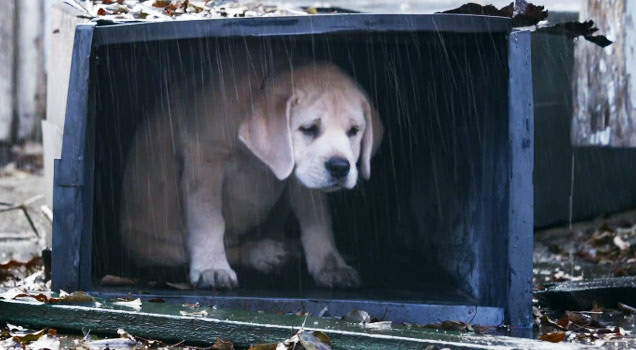
DO NOT leave pets outside during storms! Even if you have dog houses! Cats should be indoors anyway, but if you are one of those people who still lets your cat roam, at least bring it in for the storm season. They will get drenched and will become susceptible to upper respiratory infections. (How would you like being cold, wet, and sick because you are locked out of your family home?) Dogs also need to be indoors. Rain is frequently accompanied by wind. If there is heavy enough rain and strong enough winds, fences, and trees WILL blow down, allowing your pet to escape. And I'll say again...how would you like being cold, wet, and locked out of your home?
For horse and livestock people, make sure your animals have a dry place to go. Add sandbags or other sealing material to the outside perimeter of their barn or other enclosure. Cover with fresh straw/hay/bedding material and clean/change regularly. Don't let food get rained on and if it does get damp, make sure to clean/dry the receptacle so that it does not get moldy or start growing another fungus. Check your fence-lines DAILY! Be prepared to evacuate your livestock to a safe place if you live in a landslide, mud-flow, flooding area.
Finally, consider fostering the pet of a homeless person during storms. They cannot take pets to temporary homeless shelters and will often remain unsheltered themselves so that they do not lose their pets. We all see these people and their pets throughout the year and hopefully we have all been showing them kindness by providing blankets, food, etc., all year long. So if you see them, HELP them by offering to care for their pets.
Thursday, October 22, 2015
Vaccinating your Dogs

Dear
Marie:
My
sister just got a new puppy and I am overly worried about him, I am sure, but I
want to make certain he stays healthy.
He has had all his shots but I am scared that he might still get sick because I've heard about some vaccinated puppies getting the same sicknesses they've been vaccinated for. How effective are the shots? Should I be so worried?
Dear
Worried:
Pet
vaccinations are highly effective...however on extremely rare occasions,
vaccines will fail. I stress that these
occurrences are EXTREMELY rare.
Furthermore, if your sister's pet gets all of his boosters on the recommended
time schedule for puppies, the chance of their failing is almost
non-existent.
Nevertheless,
as a puppy, his immune system is not fully developed. Generally, you should
avoid taking him out and around other dogs until he is at least 4 months
old. This age is also coincidental with
the time he should be receiving his first rabies vaccination.
Of
particular concern for young dogs is the potential for being exposed to a virus
which causes the disease parvo. This is a highly infectious disease that is
often fatal for very young or very old dogs.
It is shed through the feces, therefore if you are out walking and come
across the fecal remains of an infected dog, your pet may be infected.
Most
likely, your pet has already received several parvo vaccinations. But, until the series of shots is completed,
he is not fully protected. This also
holds true for other puppy shots that must be given in intervals.
I
recommend that you refrain from taking your puppy to off leash dog parks,
especially if you are concerned for his health and safety. Though most dog owners that use these
facilities are conscientious, there are a few that do not vaccinate their pets;
hence there is a potential risk for contagious diseases to be spread. Further, you should be sure to neuter your
puppy before going into areas where other dogs are present. This will prevent unexpected mating as well
as a certain amount of offensive posturing which could lead to a fight.
Be
sure and get your puppy an ID collar. If
he ever gets lost, this will be his voice to get back home. Finally, don’t feel like you are worrying too
much...between you and your sister, it sounds like this is one lucky puppy.
Thursday, October 1, 2015
Puppy Problems

Dear
Marie:
Well,
we did it! We got a puppy. Frankly, I wanted an older dog that had
gotten past that “puppy period”, but I was outnumbered in my family so we got a
three month old shepherd mix two weeks ago, and now, I am at my wits’ end! He is a sweetheart...but if you leave him
alone for five minutes, he is a one dog wrecking crew. Not to mention, I can’t stop him from
play-biting. The kids think he’s a lot
of fun. My husband says the pup will
outgrow these problems. But I say if one
more shoe gets chewed, the puppy is going back to the animal shelter. I feel like a big meanie for saying that, but
what else can I do? Please help.
Fran
Dear
Fran,
Puppies
are a lot of work. They demand patience
and time. They also need a definite
regimen of discipline. I am not talking
about physical punishment. I am
describing a strict routine that everyone in the family must follow. Puppy training requires people training too,
in equal measures. Often the humans in a
household are partially responsible for a puppy’s bad behavior.
First,
I’d like to address the play biting problem.
You obviously want this to stop immediately. A full grown Shepherd mix that is still play
biting can actually cause some serious injuries so begin behavior training in
this area now!
Everyone
in your family needs to follow this procedure.
When playing with your puppy, encourage gentleness. Anytime the pup mouths at your hands or
ankles, give him an appropriate toy to bite instead and praise him if he does. If he continues to go after hands, (or other body parts!), tell him “No!” in a loud and firm voice. If your pet won't stop biting even when offered alternatives, he should be
placed in a room by himself...preferably a room that has been puppy proofed so
that he can do no damage and have a chance to calm down. After five or
ten minutes, bring him back out and pet him softly. DO not resume play until you are sure he has
calmed down. Put toys all around the house that he can
chew on and play tug of war with. Praise
him when he uses his toys or has a gentle game of tug with you. I say this again because praise for positive behavior is so very important.
Your
puppy will not learn what you want immediately.
It may take a couple weeks, or more. But
you must be consistent. The moment one
of your family members encourages him to play rough, all the training you will
have completed to that point will be for not.
Chewing
shoes is associated with the mouthing behavior.
Puppies need to teethe for several months leading to maturity. Give him actual chew toys that are suitable for
teething. It is recommended that you stay
away from rawhide, as these traditional chew toys do cause serious veterinary problems
in some dogs. However, there are many
great chew toys available at most pet supply stores. Do not buy chew toys in the shape of
shoes! In fact, keep all of your shoes
out of reach during your puppy’s developmental months.
You
did not describe the other “wrecking crew” behavior. I assume they too are probably related to
chewing and biting. Again, keep all items
that can fit in your dog’s mouth out of reach or off limits. Closing doors to rooms with delicate items is always a smart idea during the puppy months. If you have furniture that has been targeted,
a product called “bitter apple”, which is available in a spray bottle, can be
applied to many surfaces. The taste is
very unpleasant and most dogs will keep away from items that have been so
treated.
Do
not give up on your puppy. He wants
nothing more than to please you and receive your love...but you have to let him
know what the rules are. He’ll learn in
time.
Friday, August 14, 2015
Raisins and Dogs - A deadly Combination

My good friend, Judy, who is also an active Labrador retriever
rescuer, lives with Murphy, Cosmo, Addie, and Buck: four big Labs who, on most
days, are trustworthy, well-behaved dogs.
The problem is Buck, the oldest of the pack at eight years, is very food
motivated. Even after he has had a
hearty dog-meal (which is always specially prepared from healthy, fresh
ingredients), his nose is constantly searching for an additional treat. Last week, his remarkable sense of smell led
him and his “siblings” to a deadly delicacy.
While his “pet parents” were out, Buck discovered a stash of
raisins in the pantry and let his buddies know about his delicious find. In very short order, at least a dozen boxes
were chewed open and their contents ingested.
When Judy returned home, she saw the “evidence” of what had transpired
and was wise enough to take immediate action.
Her regular veterinarian was already closed for the night, but she was
familiar with an emergency veterinary hospital just three blocks from her house. (I highly recommend keeping the phone numbers
of a local emergency veterinarian AND the veterinary poison control hotline handy—either
programmed into your phone, or physically posted on your refrigerator or
another obvious location. Time is critical when emergencies occur and hunting
for a number uses up valuable minutes.)
All four dogs were rushed in for treatment. To Judy’s horror, she was advised that the
dogs had a 50/50 chance of having permanent kidney damage due to raisins being
nearly as toxic as rat poison to pets.
Judy worried whether her four-legged “kids” would all survive and
dwelled upon how awful it would be if she lost them all. It would not be known if they would pull
through for 48 more hours.
Regrettably, there is no known antidote for raisin and grape
poisoning. In fact, veterinary
researchers are not even able to determine what it is in these fruits that
cause the kidneys of companion animals to shut down. Consequently, all that could be done for
Murphy, Cosmo, Addie, and Buck was supportive care. The four dogs were given
drugs to induce vomiting as well as charcoal to help soak up toxins. They were placed on IV Fluid therapy, and
kept calm and quiet.
The hours ticked by slowly. Compounding the worry was the fact
that Judy did not know when the dogs actually consumed the raisins, which was a
critical piece of information. The
sooner treatment can begin post ingestion, the better the chances are for
survival. Judy could only hope that
treatment was begun in enough time.
Blood samples were drawn at specified time intervals to monitor
kidney function. When it was considered
safe, the dogs were allowed to be moved to their regular veterinarian’s office
for further tests and IV fluids.
Finally, on the third day, blood tests revealed that Murphy,
Cosmo, Addie, and Buck were going to be OK.
Judy’s prompt response and her veterinarian’s knowledge about raisin toxicity
saved these dogs’ lives. It was a happy (and
very expensive) ending.
I asked Judy what she would recommend to other pet parents out
there so that they won’t ever have to go through such an ordeal. She said, “Make sure to keep raisins, chocolate,
onions, and anything else that is toxic to pets completely out of reach. Do a thorough search of your home to make
sure things are high up enough so they can’t get a hold of it.” And to that, I would only add this – think of
your pets as “toddlers.” Baby-proof
cabinets and doors so that they cannot be opened and don’t leave food on tables
or counters. If you have visitors, be
extra vigilant because outside family members and friends may not know all the safety
rules.
I know Judy is feeling very lucky knowing that
her beloved dogs are around to share the days with her. She knows all too well that this story could
have ended tragically and it is Judy’s hope that readers will share her
experience with others to keep pets safe and healthy.
Tuesday, August 11, 2015
Pets and Pools

Dear Marie,
My mother-in-law has a pool in her back yard and there is no
safety fence around it. She recently
adopted a small terrier mix (Sam) from the animal shelter and frequently leaves
him unattended in the back yard. She
seems to think that this is fine because the dog doesn’t go into the pool and
shows no interest in going into the pool.
But the way I see it is that her dog is potentially in danger back there
and can end up drowning.
I know my mother-in-law really loves this dog a lot and
would never intentionally allow it to be in a life-threatening situation, but I
don’t think she realizes the potential for a problem. I’ve said just about all I can say to her on
the subject without crossing the daughter-in-law/mother-in-law line. I know she reads your column and thinks a lot
of your opinion. Maybe you can settle
this for us.
Thanks.
Anne, Garden Grove
Dear Anne,
Your concern is justified.
Even though most dogs can swim, not many can get out of pools once they
have fallen in. Eventually, the very best
dog swimmers will become exhausted and drown because they have no way of
exiting the water. Animal control
agencies routinely respond to calls from pet owners whose animals have
accidentally drowned under these exact circumstances.
Most cities require safety fencing around pools. This is a good idea even if your
mother-in-law is exempt from this type of regulation because you can never be
too safe when it comes to swimming pools.
I would strongly urge her to consider this option.
Second to installing safety fencing, she should show her
little terrier how to successfully get in and out of the pool without
assistance. Have her take him in the
water and then lead him over to the steps repeatedly so that he can become
familiar with their location and how to use them. It is extremely important that she practice
this training on a daily basis so that finding the steps becomes second nature
to her dog. This will also help your mother-in-law
determine how well Sam can swim. There
are a few dogs who cannot swim for various reasons. She should find out if he falls into this
category.
Some dogs cannot manage using pool steps. If this is the case with Sam, you should
suggest adding a ramp to the step area.
Ramps are easy to make, but are also available through pet supply
companies for those individuals who are a little less handy with tools and
such.
I have seen some water safety alarms on the market that use
sensors which are attached to a dog’s collar.
If a dog falls into a pool, a corresponding receiver will sound a loud
alarm in the house. However, these
devices seem to break easily during normal dog activities and haven’t received
high marks in consumer reports. Further,
if you are not home to hear the alarm go off, there’s not much of a
benefit.
Essentially, the best advice is this – if you can’t be
outside with the dog in a backyard that has an accessible pool, then the dog
needs to be indoors. Pets are like
children and all the same common sense safety rules that apply for kids should
be applied for animals as well.
Finally, if after implementing a pool safety regimen at you
in-law’s home you discover that Sam truly loves water, remember that he will
need a little extra care for his ears and skin.
Lots of dogs develop ear infections after swimming. The simplest method for combating these
problems is to clean out your dog’s ears after every swimming session. An inexpensive ear wash can be made at home
using a solution of 50% water and 50% vinegar.
Also, be sure to dry his ears thoroughly following this treatment. With
regards to skin – remember, dogs can get sunburn just like people. Apply sunscreen to your dog’s nose,
especially in areas that have no pigment and appear pink.
By following these simple water safety rules, your
mother-in-law will be ensuring that Sam has a safe and fun home in which to
live the rest of his life.
Tuesday, July 28, 2015
Napping Cockatiel a concern to Senior Citizen Owner

Dear Marie,
I adopted an adult cockatiel from the Irvine Animal Care
Center in the summer of 2006. I am a
senior citizen (80 years old) and live alone, so he is my constant
companion. Recently, he started taking
more naps than usual and I am concerned.
I cover him up with a sheet at night from the time I go to bed until I
wake up in the morning, so I think he is getting plenty of rest. He has always
been very energetic so his napping worries me.
How long do cockatiels live? Is
this a bad sign? What should I do?
Claire
Claire
Dear Claire,
It sounds like you have a wonderful little friend and I can
certainly understand your concern.
Cockatiels live anywhere from 15-25 years and you have had him for
almost 8 years. You’ll need to check
your original adoption papers to see if the shelter knew his exact age when you
adopted him, but don’t fret over any of these numbers. I’m sure he still has a long life ahead to
share with you.
Aside from the napping, is your cockatiel showing any other
unusual behavior or symptoms? For
example, is he eating and drinking normally?
Are his feathers puffed out? Has
he stopped vocalizing? Is he cranky? If you see a combination of changes, then
you should get your bird to an avian veterinarian as soon as possible.
Birds can mask poor health to such a degree, that most of
their caregivers never know they are ill until it is too late. If your little guy hasn’t been in to see the
vet in over a year, you should take him in for a checkup.
I know that a trip to the veterinarian can be very expensive,
and if you are on a fixed income, you may feel as though you can’t afford a
veterinary bill. But there are financial
assistance programs available that can help you if needed. For more information on this topic, please
visit the following websites:
If napping is the only symptom your bird is exhibiting, then
you probably have nothing to worry about.
As the days get longer, cockatiels tend to take afternoon naps. Perhaps you just never noticed in the past or
were out of the house more often. Most
people who live with cockatiels can attest to this seasonal behavior.
Birds need 10-12 hours of solid, uninterrupted sleep time
which might be more than what he gets currently if you cover him up when you go
to bed and wake him up when you get up.
He needs to be in the dark AND in a place where he feels safe and able
to snooze. If his cage is near a window,
even if you cover it with a sheet, the headlights of passing cars will
penetrate and wake him up. The less he
sleeps at night, the more he will nap in the day. Try putting his cage in a corner of the room
far from the window and use a denser, darker blanket to cover him.
Another point to consider is that during a molt (period of
feather loss and growth), all birds get a little sleepy. This is completely normal. If you’ve noticed some feathers dropping in
conjunction with napping, that may be the key to this mystery. To ensure he has all the nutrients he needs
during molting season, include plenty of healthy foods in his daily meals. Fresh fruits and vegetables are essential,
along with a high quality pellet mix designed for cockatiels. Avoid giving him just “seeds” even if they
are labeled “cockatiel diet.” Seeds do
not provide the vitamins and minerals that a diet of fresh fruits and
vegetables do. It’s OK to give him a few
seeds, but think of them more as “junk food” rather than a true meal.
It’s good to pay attention to changes in a pet’s behavior. Get that vet check, but try not to be too
anxious about the napping. I suspect
everything is A-OK and your little friend will be around for many more years.
Tuesday, July 21, 2015
Follow-up to my last blog post on cat relinquishment at shelter...

Dear Readers,In my last blogpost, I wrote about the plight of a ten-year-old kitty who was left at an animal shelter by its very apathetic owner and her friend who were more concerned about the latest shopping center fashions than the welfare of the terrified cat. I received more letters about this story than I have for anything else I have ever written. I would like to share some of these very intense sentiments sent in by readers.
“…my blood was boiling just reading about this...the only thing that I would do different is put both of those woman in a cold cage and let them do some thinking instead of shopping” – Sharon
“I volunteered for an animal care center (shelter). The most heartbreaking times were when people abandoned their pet companions and walked away. My wish for all of these heartless people ... Your children drop you off at an old folks home and never come back to visit.” – Annelle
“I hope that your comments in the article about responsible treatment of pets will help with public awareness about the care of pets. I'm dismayed to see that some people seem to regard their pets as animate decor, to be given minimal food, water, and attention but not treated as fellow beings with personality and emotions. This is an attitude which needs to change, and perhaps your writing can help. But until people's perception of pets changes, I think some pets will be better off in shelters rather than suffering with their self-centered owners." – anonymous
I wish I had room for more comments and I thank all who have written for sharing their thoughts. As a follow-up, the kitty who was the subject of my last post has not yet been adopted. Sadly the stress of being in a shelter has caused her to begin pulling out her own fur and she is not doing well. She needs to be placed in a home as quickly as possible, but finding a home for a 10-year-old cat is never easy.
It’s time to change how society views pets under the law. Many of you have great ideas. Share your thoughts with your elected officials and perhaps we can make a difference by working together.
Monday, July 13, 2015
Pets Relinquished by IRRESPONSIBLE OWNERS

For people actively involved in the humane world, we always hear a lot of stories about the daily happenings at animal shelters.
Unfortunately last week, a story one shelter worker recounted made her blood pressure rise as she explained to me the turn of events. She had been working with the cats at the facility when she received a call on her walkie-talkie. There was a cat in the front office that needed to be taken back to the kennels.When she arrived at the customer service desk,she encountered two women who were laughing and discussing the cutest dresses that were at a particular store in South Coast Plaza. Beside one of the women was a cat carrier containing a very frightened and distressed kitty.The shelter employee interrupted the two women and asked if the cat was a stray that they had found. One of the women replied, “Oh no. This is my cat. I’m moving so I am bringing it here.” Then, without skipping a beat, the woman got back to her conversation about the latest sale on women’s apparel.Looking at the paperwork that had been left on top of the cat carrier, the shelter employee noticed that this scared little pet had lived with its owner for TEN years. And now, through no fault of its own, it was being dumped like last season’s fashions, so that its owner could move on with the next phase of her life.Pulling together all the self-control she could muster, the shelter employee held her tongue (as is required in her role as public servant) and took the poor kitty back into the kennels where she placed it into a cold and solitary cage. She heard the cat’s owner say in a cheerful voice as she walked away, “Bye Peewee.” And then the two women were off to the mall, seemingly without even a second thought for the terrified cat.Angry cannot even describe how the shelter employee was feeling at that point in time. Yet she recognized that she needed to pull herself together quickly because the animals needed her and if she let these almost daily occurrences get the best of her, she wouldn’t be able to do much good. But still, it was clear to her that a ten-year-old cat in a shelter didn’t have the greatest odds of being adopted and she could not understand how someone could care for a pet for so long and then simply wash one’s hands of it. She was disgusted, as am I.Public animal shelters do charge an owner relinquishment fee to people who give up their pets. However it is nominal, and in reality doesn’t even cover the costs of the initial veterinary exam.Even for people who don’t have any particular affection for animals, this should raise some red flags. What we are essentially doing is allowing irresponsible pet owners to place the financial burden of taking care of their discarded pets via expenditure of tax dollars. That should not be OK with anyone. But that’s what we do.My concern, however, isn’t for the fiscal consequences; but rather for the innocent living beings who don’t understand why they are losing their familiar homes and being put into scary, lonely cages, with unfamiliar scents and sounds all around them.Nevertheless, if I can convince Joe Taxpayer that this is a problem – then perhaps we can solve both predicaments.Here is what needs to be done. First, all pets including cats should be licensed and microchipped.Next, there should be a waiting period and counseling for those individuals who wish to give up their pets. Alternatives to abandoning a companion animal at a shelter should be discussed, i.e., finding a friend, family member or co-worker who may be able to take in a pet.Finally, if a shelter does ultimately take custody of an animal, its owner should be responsible for all costs relating to its care and maintenance until the pet is adopted. There is no reason for the rest of society to pay for the cavalier irresponsibility of so many pet owners. And there is certainly no reason for a pet to pay, with suffering, fear, and potentially its life.
Subscribe To Marie's Animal Files


 Posts
All Comments
Posts
All Comments